AIR QUALITY PROGRAM
Trees That
Help Protect Communities
As part of Tree Fresno’s AB617 work, vegetative barriers support cleaner air, healthier neighborhoods, and more resilient green spaces in South Central Fresno.
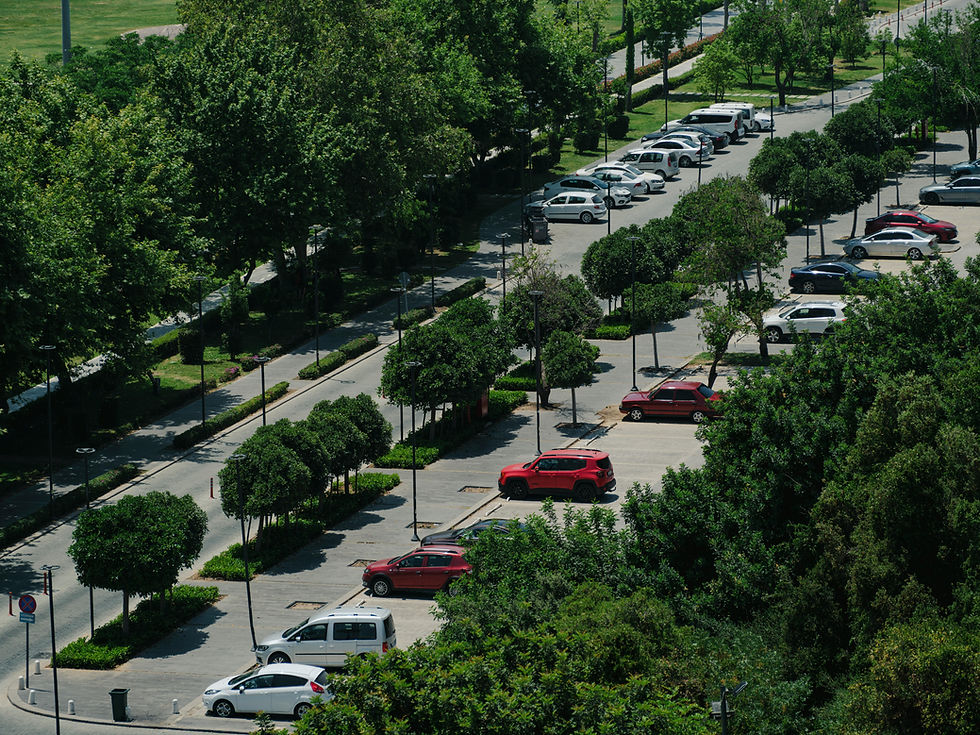
Vegetative barriers are long rows of trees, and sometimes shrubs, planted next to busy roadways. These barriers are designed to help reduce the movement of particulate matter into nearby communities.

What Are Vegetative Barriers?
Vegetative barriers use trees and other plantings as a natural buffer between sources of pollution, such as busy roadways, and the communities nearby.
When designed and planted strategically, these rows of vegetation can help slow, filter, and reduce the flow of airborne particles while adding shade, beauty, and green space.
Vegetative barriers can help:
-
Reduce the movement of particulate matter
-
Create a natural buffer near busy roads
-
Add shade and green space
-
Support healthier neighborhoods
-
Strengthen Fresno’s urban forest
How Vegetative Barriers Work
Identify Priority Areas
Tree Fresno works with partners to identify locations near busy roadways where vegetative barriers can support air quality and community health.
Plant & Steward
Tree Fresno supports planting, care, and long-term stewardship so the barrier can grow and provide benefits over time.
Design the Barrier
Rows of trees, and sometimes shrubs, are planned to create a living buffer between traffic corridors and nearby neighborhoods.
Supporting South Central Fresno
In 2023, Tree Fresno became the recipient of more than $3 million in AB617 Urban Greening and Vegetative Barriers grant funding, administered through the San Joaquin Valley Air Pollution Control District.
These grants are designed to improve air quality for people who live and work in South Central Fresno, a region highly impacted by air pollution.
As part of this work, Tree Fresno designs vegetative barriers made of long rows of trees, and sometimes shrubs, planted next to busy roadways. These barriers help reduce the flow of particulate matter into nearby communities.
.png)
Made possible through AB617 funding administered by the San Joaquin Valley Air Pollution Control District, with support from California Climate Investments.